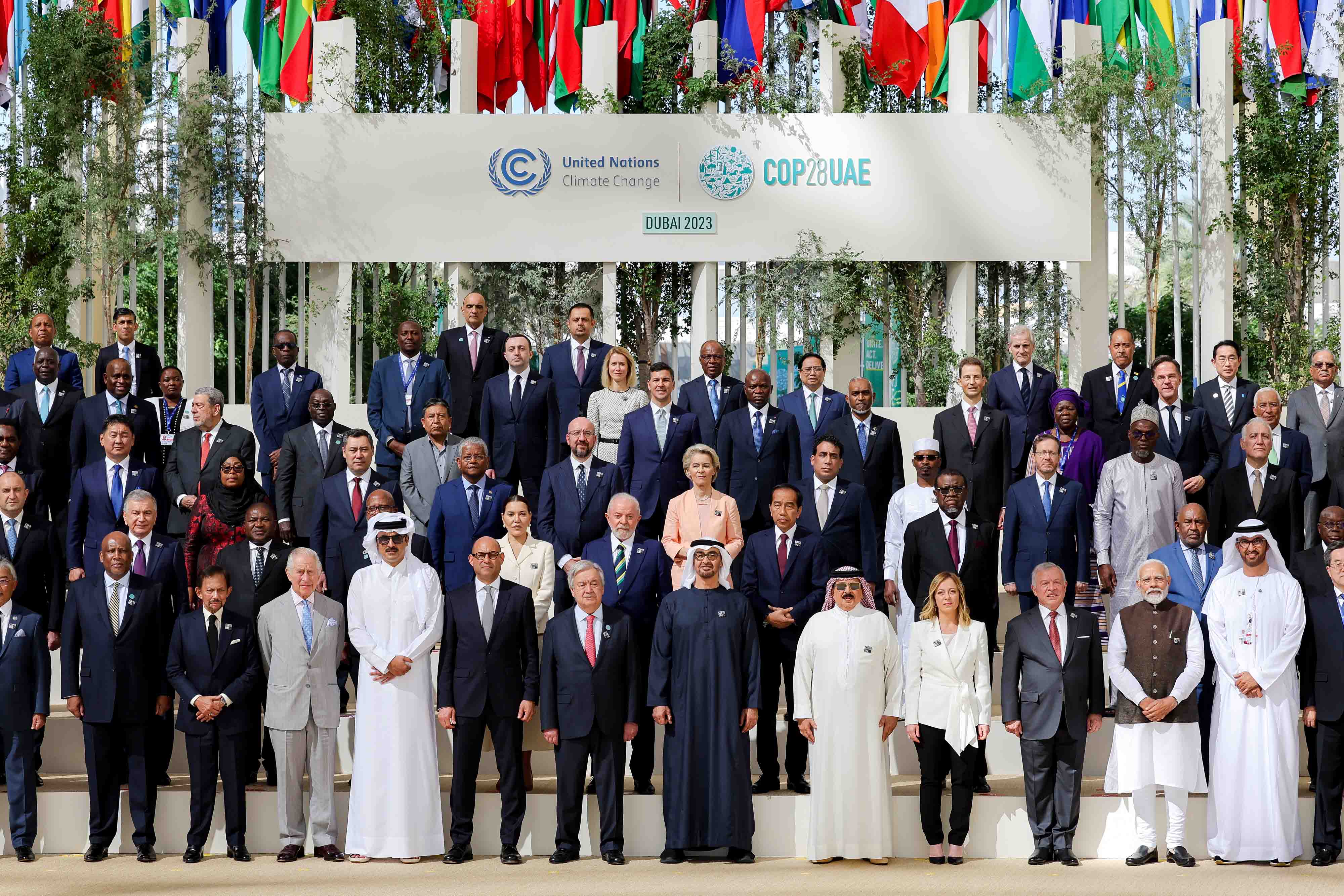

As the world grapples with the escalating challenges of climate change, the urgency to find effective and equitable solutions has never been more pronounced. COP28, the 28th Conference of the Parties, stands as a pivotal moment in the global fight against climate change. Key among priorities at the summit is to increase financing for developing countries to support their climate change adaptation capacities–thus, the Loss and Damage Fund.
Mobilizing financial resources for climate action remains a critical aspect of global efforts. COP28 must address the financing gap and encourage increased investment in sustainable practices. This includes both public and private sectors contributing to projects that promote renewable energy, sustainable agriculture, and eco-friendly infrastructure.
The Loss and Damage Fund acknowledges that certain regions, particularly those least responsible for greenhouse gas emissions, face severe consequences such as rising sea levels, extreme weather events, and loss of biodiversity. COP28 recognizes the moral imperative to assist these communities in coping with and recovering from the irreparable harm inflicted by climate change.
This fund was championed by the host country UAE, which pledged $100 million to the fund. The European Union, US, UK, China, and other nations quickly followed suit, leading to a total of $700 million in pledges in just about 2 days.
Furthermore, COP28 will delve into the operational aspects of the Loss and Damage Fund, discussing transparent mechanisms for allocating resources and ensuring that funds reach the communities in greatest need. The discussions will also revolve around innovative approaches, including risk reduction strategies, insurance mechanisms, and capacity-building initiatives to empower vulnerable regions to better respond to and recover from climate-induced losses.
By addressing the Loss and Damage Fund at COP28, the international community sends a powerful message about shared responsibility and solidarity in the face of climate crisis. It is a testament to the acknowledgment that, despite concerted efforts, some losses are inevitable, and concerted global action is necessary to mitigate the impact on those who have contributed least to the climate crisis.
Leave a Reply